
Introduction
Before 2015, most ETL tools were designed for a world where data lived inside centralized databases, workloads ran on fixed on‑premise servers, and development happened inside proprietary IDEs. Tools like SSIS were built for this environment which are stable, tightly integrated with SQL Server, and optimized for Windows‑based enterprise data warehousing.
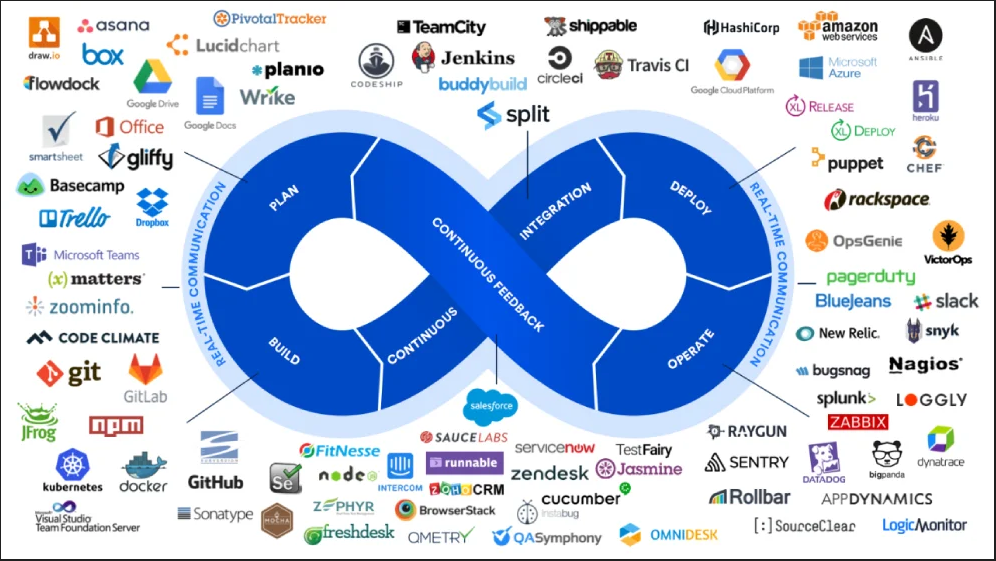
After 2015, the data landscape changed dramatically. Cloud platforms, distributed systems, containerization, and DevOps practices reshaped how data pipelines are built, deployed, and maintained. ETL tools had to evolve from server‑bound, vendor‑specific systems into flexible, portable, metadata‑driven platforms that could run anywhere.
This shift led to the rise of a broad ecosystem of open‑source ETL and orchestration tools, including Airflow, Talend Open Studio, Pentaho Kettle, Meltano, and more recently, Apache Hop—a modern, actively developed platform designed for cloud‑native and hybrid environments.
- This article is Part 1 of a two‑part series.
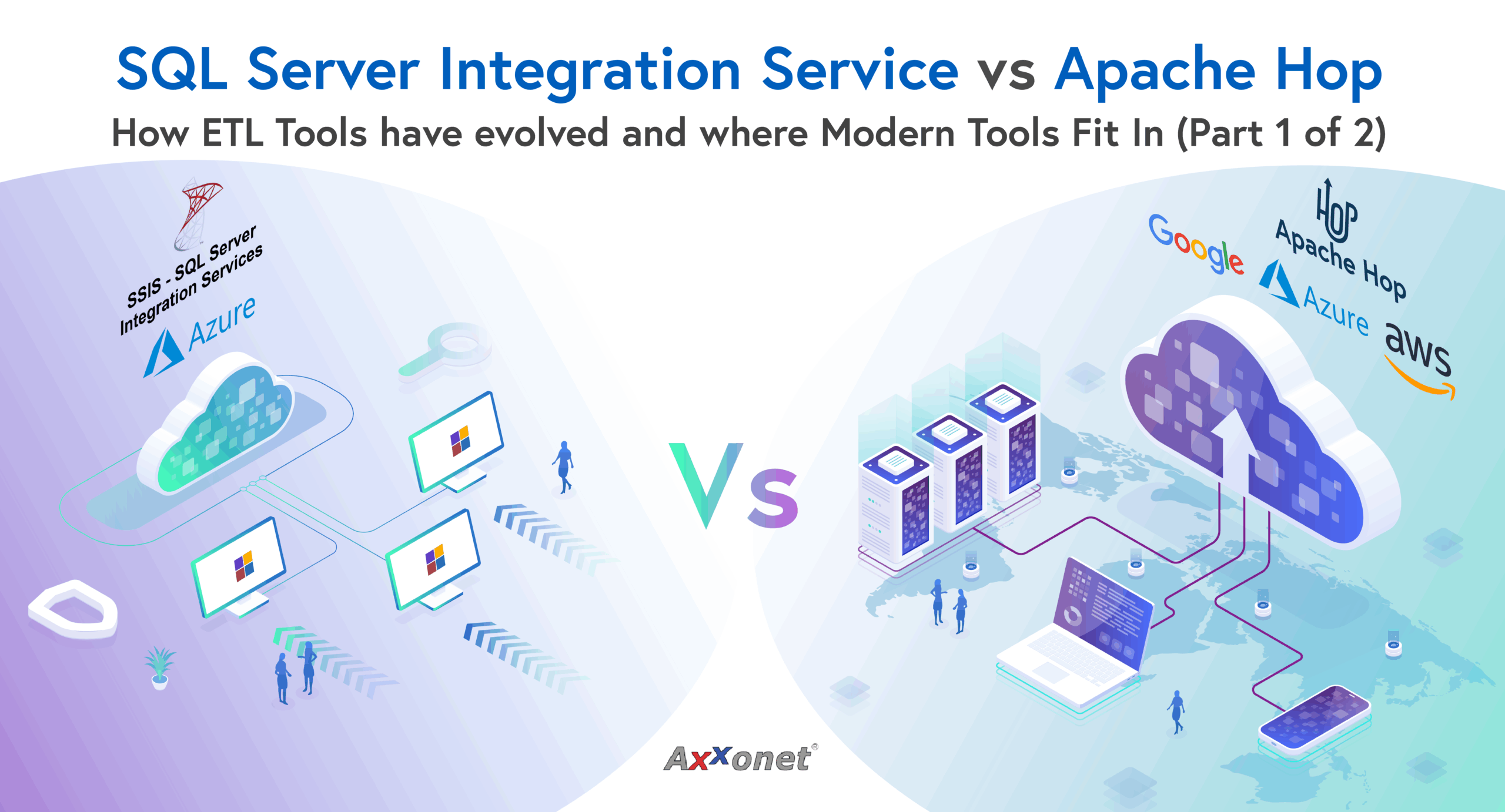
Here, we focus on how SSIS and Apache Hop are built based on their architectural foundations, development philosophies, and the historical context that shaped them.
In Part 2, we will examine how these architectural differences translate into performance, scalability, automation, cloud readiness, and real‑world usage scenarios, helping you decide which tool best fits your future data strategy.
The Fundamental Distinctions
At a high level, SSIS and Apache Hop differ in how they are designed, deployed, and evolved.
- SSIS is a Microsoft‑centric ETL tool built for on‑premise SQL Server environments. It offers a stable, tightly integrated experience for teams operating within the Windows and SQL Server ecosystem.
- Apache Hop is an open‑source, cross‑platform orchestration framework built with modularity, portability, and cloud‑readiness in mind. It emphasizes metadata‑driven design, environment‑agnostic execution, and seamless movement across local, containerized, and distributed environments.
These foundational differences shape how each tool behaves across development, deployment, scaling, and modernization scenarios.
Overview of the Tools
What is SSIS?
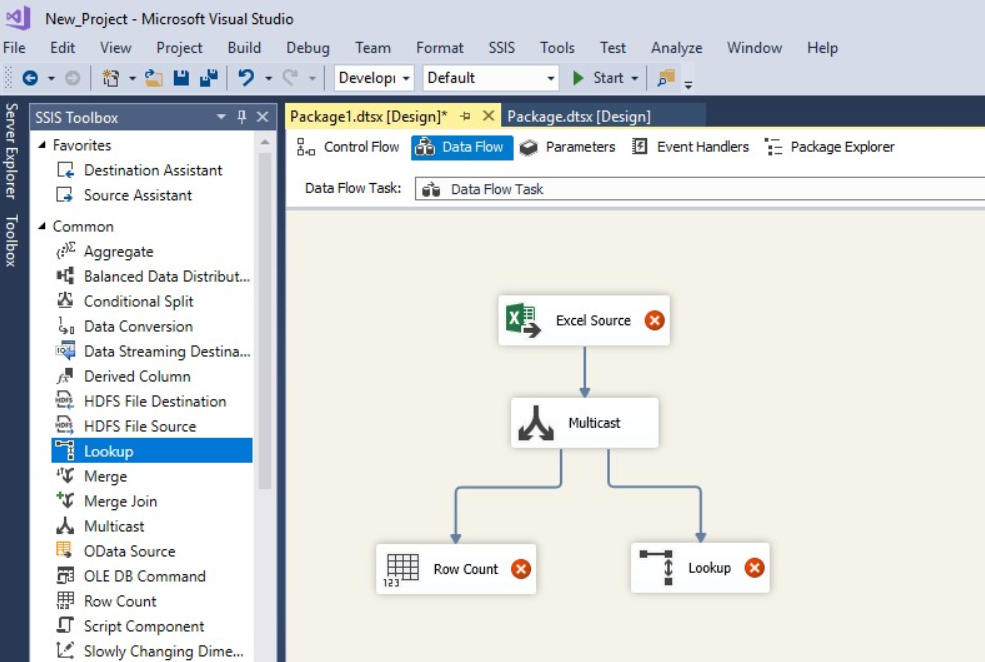
SQL Server Integration Services (SSIS) is a mature ETL and data integration tool packaged with SQL Server. It provides a visual, drag‑and‑drop development experience inside Visual Studio, enabling teams to build batch processes, data pipelines, and complex transformations.
SSIS is optimized for Windows‑based enterprise environments and integrates deeply with SQL Server, SQL Agent, and the broader Microsoft data ecosystem.
Extended Capabilities
- Built‑in transformations for cleansing, validating, aggregating, and merging data
- Script Tasks using C# or VB.NET
- SSIS Catalog for deployment, monitoring, and logging
- High performance with SQL Server through native connectors
What is Apache Hop?
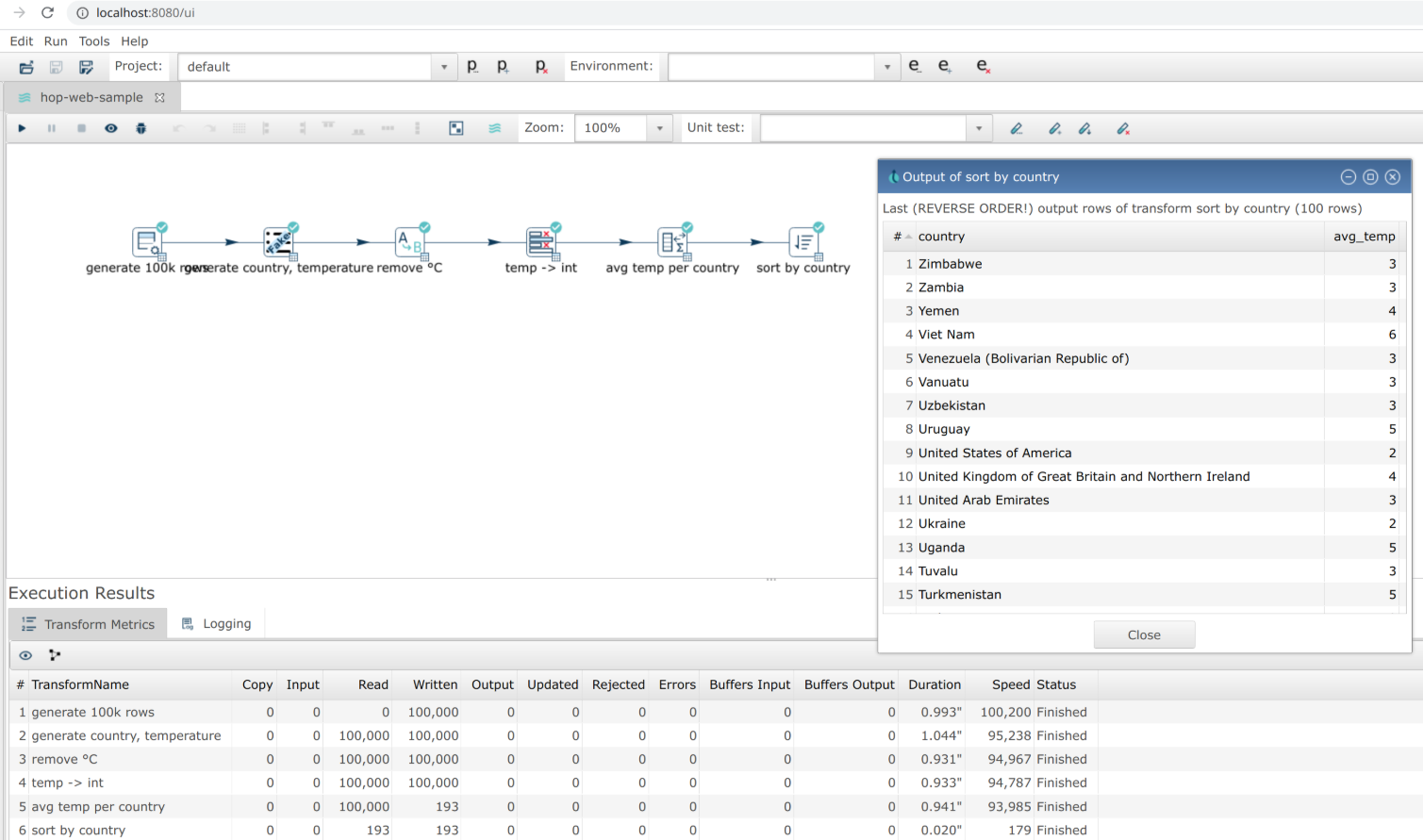
Apache Hop (Hop Orchestration Platform) is a modern, open‑source data orchestration and ETL platform under the Apache Foundation. It provides a clean, flexible graphical interface (Hop GUI) for designing pipelines and workflows across diverse data ecosystems.
Hop builds on the legacy of Pentaho Kettle but introduces a fully re‑engineered, metadata‑driven framework designed for portability and cloud‑native execution.
Extended Capabilities
- Large library of transforms and connectors for databases, cloud services, APIs, and file formats
- First‑class support for Docker, Kubernetes, and remote engines like Spark, Flink, and Beam
- Pipelines‑as‑code (JSON/YAML) enabling DevOps workflows
- Metadata injection for reusable, environment‑agnostic pipelines
Feature-by-Feature Comparison
1. Installation & Platform Support
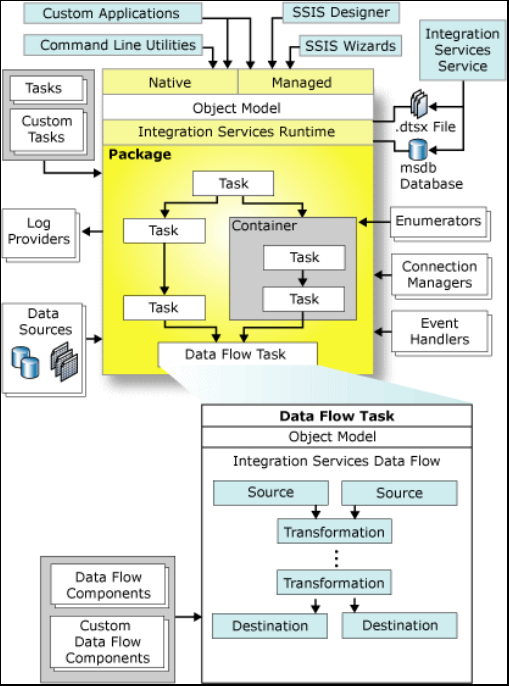
SSIS is tightly coupled with SQL Server and Windows. Installation typically involves SQL Server setup, enabling Integration Services, and configuring Visual Studio with SSDT.
Key Characteristics
- Runs only on Windows
- Requires SQL Server licensing
- Vertical scaling
- Cloud usage limited to Azure SSIS IR
- No native container or Kubernetes support
This monolithic, server‑bound architecture works well in traditional environments but becomes restrictive in hybrid or multi‑cloud scenarios.
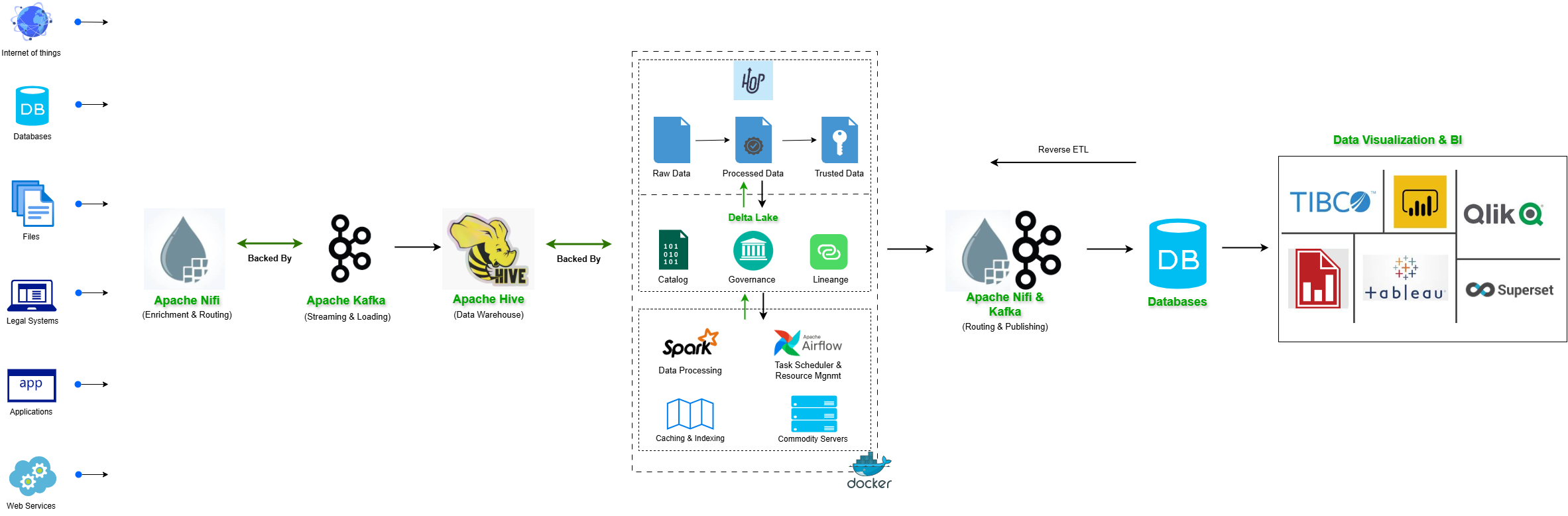
Hop is lightweight and platform‑independent. It runs on Windows, Linux, and macOS, and supports local, remote, and containerized execution.
Typical Deployment Models
- Local execution
- Hop Server for remote execution
- Docker containers
- Kubernetes clusters
- Integration with Airflow, Cron, and other schedulers
Key Characteristics
- Fully cross‑platform
- No licensing cost
- Horizontal scaling via containers
- Cloud‑agnostic
- Metadata‑driven portability
Hop treats deployment as a first‑class concern, enabling “build once, run anywhere” pipelines.
Category | SSIS | Apache Hop |
OS Support | Windows only | Windows, Linux, macOS |
Deployment | Local server, SQL Agent | Desktop, server, Docker, Kubernetes |
Licensing | SQL Server license | Free, open‑source |
Hop aligns naturally with modern infrastructure patterns, while SSIS remains best suited for Microsoft‑centric environments.
Apache Hop aligns naturally with modern infrastructure patterns such as microservices, containers, and GitOps-driven deployments. Its ability to run the same pipelines across environments without modification significantly reduces operational overhead and future migration costs.
SSIS, while stable, is best suited for organizations that remain fully invested in Windows-based, on-premise architectures.
2. Development Environment
SSIS development happens inside Visual Studio using SSDT. Pipelines are stored as binary .dtsx files, which complicates version control and collaboration.
Characteristics
- Strongly UI‑driven
- Script Tasks via C#/VB.NET
- Harder Git diffs
- Environment‑bound debugging
- Manual multi‑environment handling
This often leads to developer‑machine dependency and challenges in CI/CD automation.
Hop provides a standalone GUI with pipelines stored as human‑readable JSON/YAML. It embraces separation of logic and configuration through variables, parameters, and metadata injection.
Characteristics
- No IDE dependency
- Clean Git diffs
- Metadata‑driven environment handling
- Plugin and script extensibility
- CI/CD‑friendly design
Metadata injection allows pipeline configuration (connections, file paths, parameters) to be supplied at runtime rather than hardcoded.
This enables:
- Reusable pipelines
- Clean environment promotion
- Consistent DevOps workflows
The same pipeline can run in dev, test, and prod simply by changing metadata—not the pipeline itself.
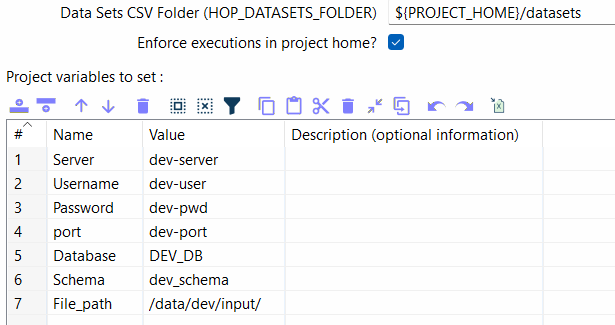
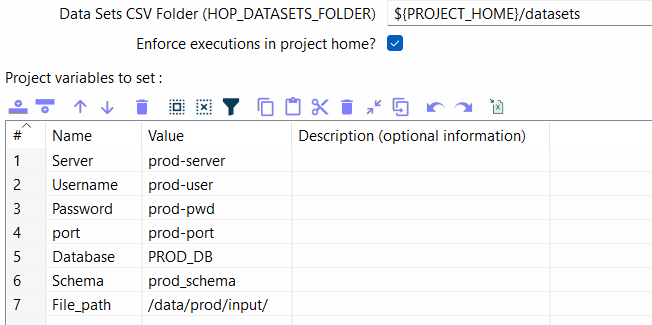
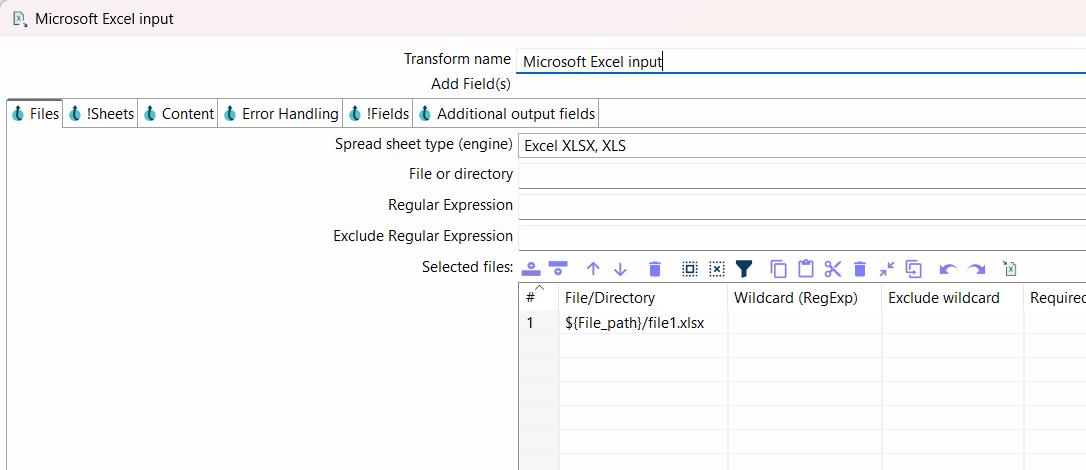
Git integration in Apache Hop’s GUI
Git allows you to track changes to your project over time, collaborate with others without overwriting each other’s work, and roll back to previous versions if something goes wrong. Whether you’re working solo or in a team, using Git is a best practice that saves time and headaches down the road.
Using Git within Apache Hop’s GUI is a fantastic option if you prefer a visual interface. The integration helps you:
- Track changes in real-time with color-coded file statuses.
- Easily stage, commit, push, and pull changes without leaving the Hop environment.
- Visually compare file revisions to see what’s changed between different versions of pipelines or workflows.
The built-in Git integration in Hop simplifies managing your project’s version history and collaborating with others.
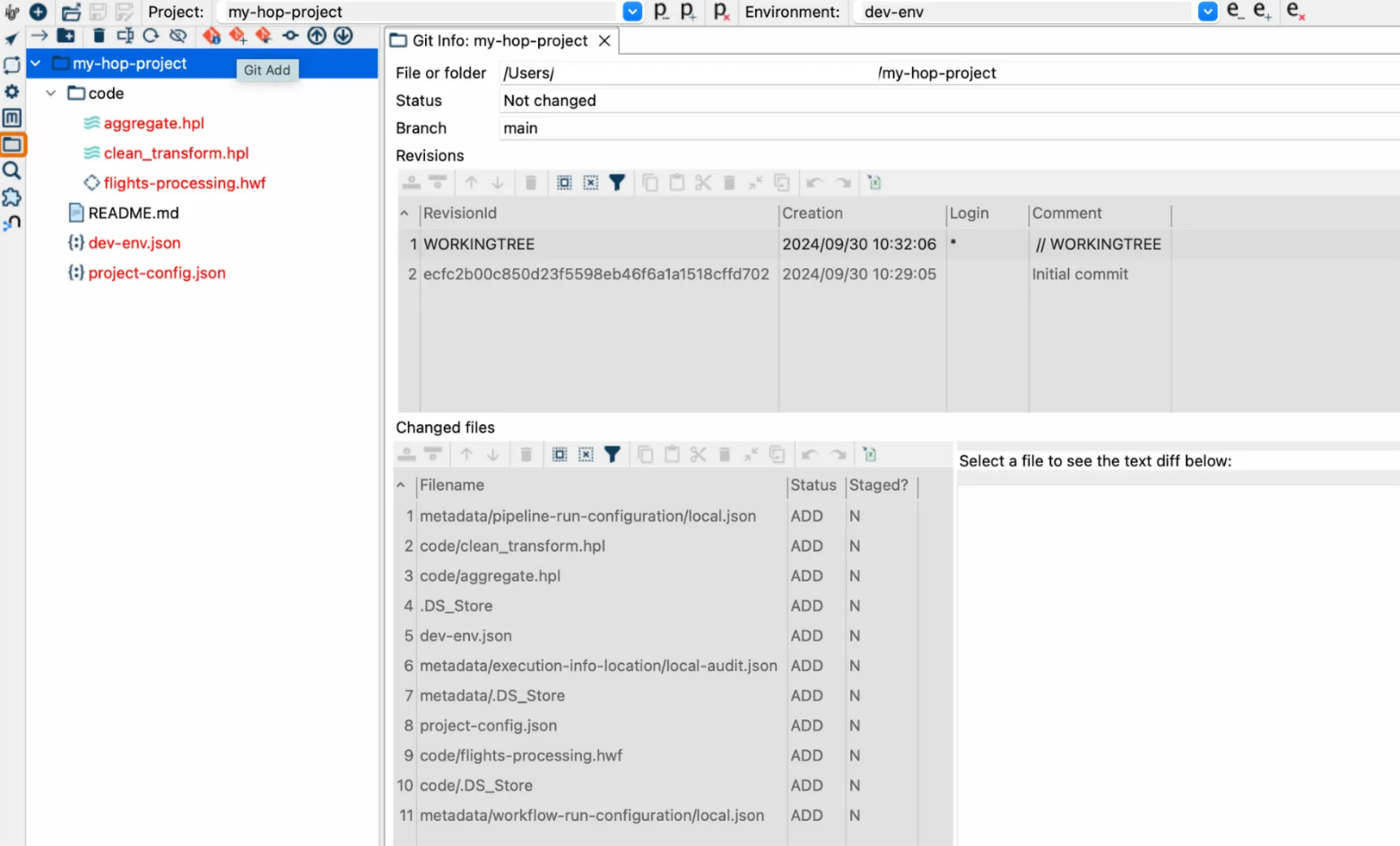
This perspective gives you access to all the files associated with your project, such as workflows (hwf), pipelines (hpl), JSON, CSV, and more.
Throught this, your project is version-controlled, backed up, and ready for collaboration.
Aspect | SSIS | Apache Hop |
Environment handling | Hardcoded/config files | Metadata injection |
Pipeline portability | Limited | High |
CI/CD friendliness | Moderate | Strong |
Multi‑env support | Manual | Native |
3. Transformations & Connectors
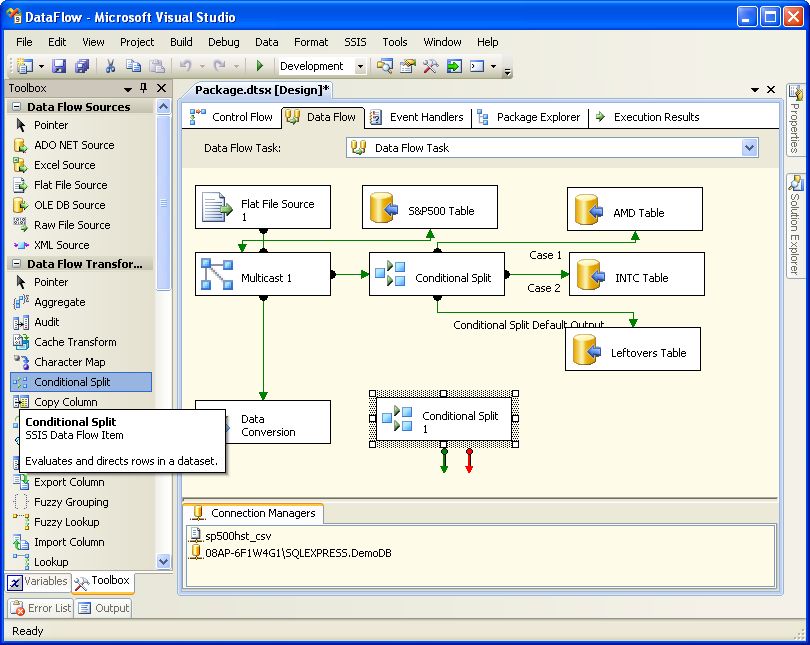


SSIS provides strong built‑in transformations optimized for SQL Server and structured ETL patterns. However, connectors outside the Microsoft ecosystem are limited or require third‑party components.
Apache Hop
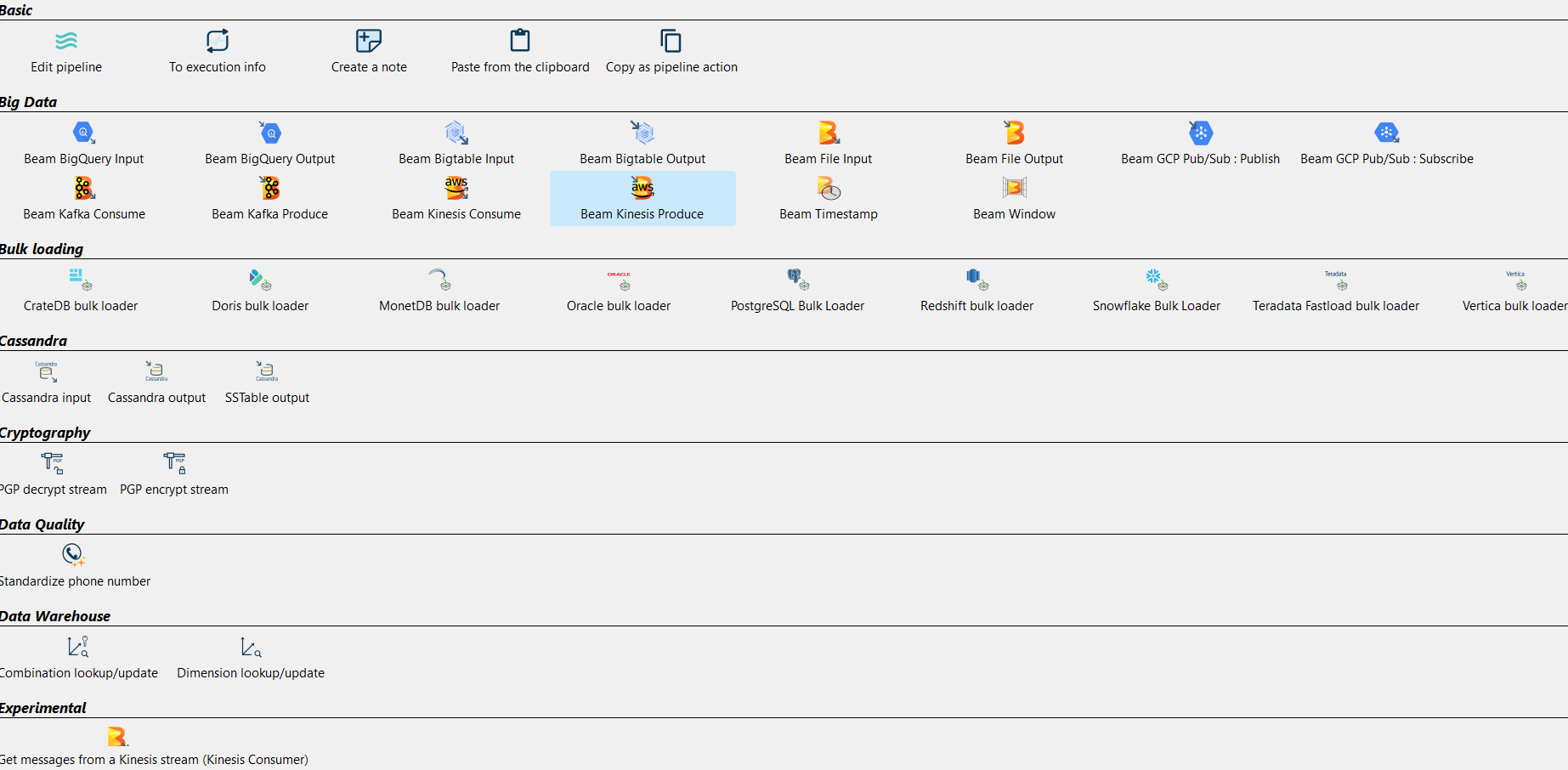

Hop offers a broad, extensible library of transforms and connectors, covering databases, cloud platforms, APIs, and big‑data ecosystems. Its plugin‑based architecture allows rapid adaptation to new technologies.
Hop also supports:
- Nested workflows
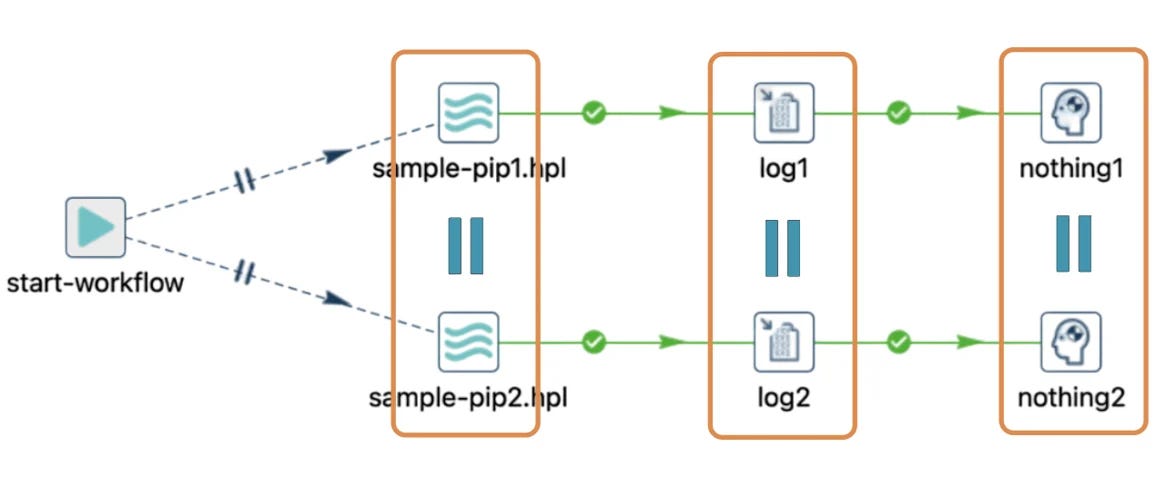
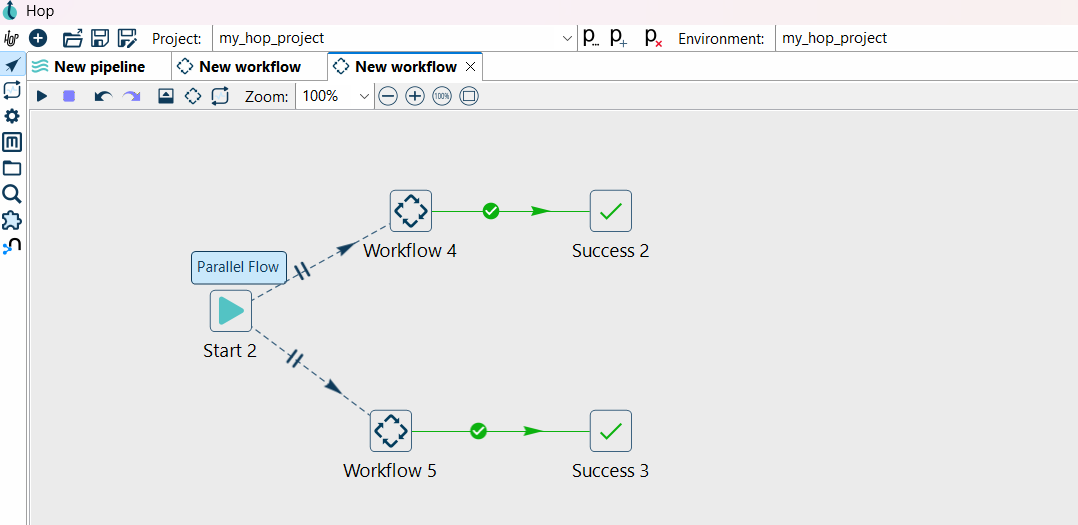
- Parallel pipeline execution
- Streaming and batch patterns
- ELT and ETL
Series and parallel execution
Aspect | SSIS | Apache Hop |
Transformation style | Monolithic | Modular |
Extensibility | Limited | Plugin‑based |
API/cloud connectors | Limited | Strong |
ELT support | Partial | Native |
Ecosystem reach | Microsoft‑focused | Broad, cloud‑native |
Reusability | Moderate | High |
Conclusion (Part 1)
SSIS remains a strong and reliable option for organizations deeply embedded in the Microsoft ecosystem, offering stability, rich transformations, and tight SQL Server integration. However, its platform dependency and limited portability make it less adaptable to modern, cloud‑native workflows.
Apache Hop, on the other hand, embraces a metadata‑driven, platform‑agnostic approach, enabling greater reuse, cleaner DevOps practices, and seamless movement across environments. Its design aligns closely with today’s demands for flexibility, automation, and scalability.
- Part 1 sets the stage by examining how these tools are built and how their architectural foundations differ.
In Part 2, we will explore how these differences translate into performance, scalability, automation, cloud readiness, and real‑world usage scenarios, helping you determine which tool best fits your future data strategy.
If you would like to enable this capability in your application, please get in touch with us at analytics@axxonet.net or update your details in the form