


Introduction
You’ve done the groundwork. You’ve identified the need for digital transformation, evaluated options, and started implementing the right systems. But something still feels off?
On paper, everything looks right. Tools are in place. Processes are digitized. Systems are live, and yet, it’s not really working?

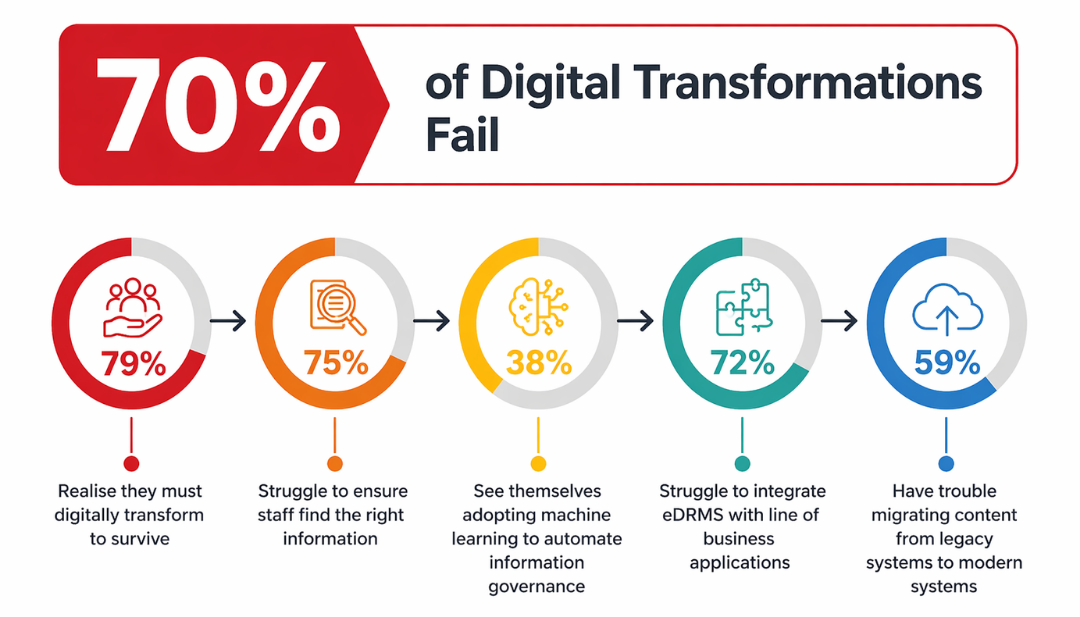
Despite the urgency around digital transformation, outcomes don’t always match expectations. According to Kissflow, nearly 90% of IT leaders believe that failing to complete digital transformation initiatives within the next few years will negatively impact their company’s revenue. And yet, only about 8% of global organizations have actually achieved their targeted business outcomes from digital technology investments.
This gap highlights a deeper issue. Transformation is not failing due to lack of effort or intent, it’s failing because the approach itself is often misaligned with how businesses actually operate.
The Real Problem: Transformation Isn’t the Same as Implementation
Processes remain the same, just digitized. Decisions still take time. Teams continue to rely on workarounds.
What looks like transformation on the surface is often just implementation underneath, and that’s the gap.
What Failure Actually Looks Like
Digital transformation rarely “fails” in a visible way. There’s no single breaking point. No system shutdown. No obvious collapse.
Instead, failure shows up in quieter, more familiar ways:
- A CRM exists, but teams still manage data in spreadsheets.
- An ERP is implemented, but manual processes continue alongside it.
- Dashboards are available, but decisions are still delayed.
- Multiple tools are in place, but teams don’t fully rely on them.
Everything exists. Nothing fully works.
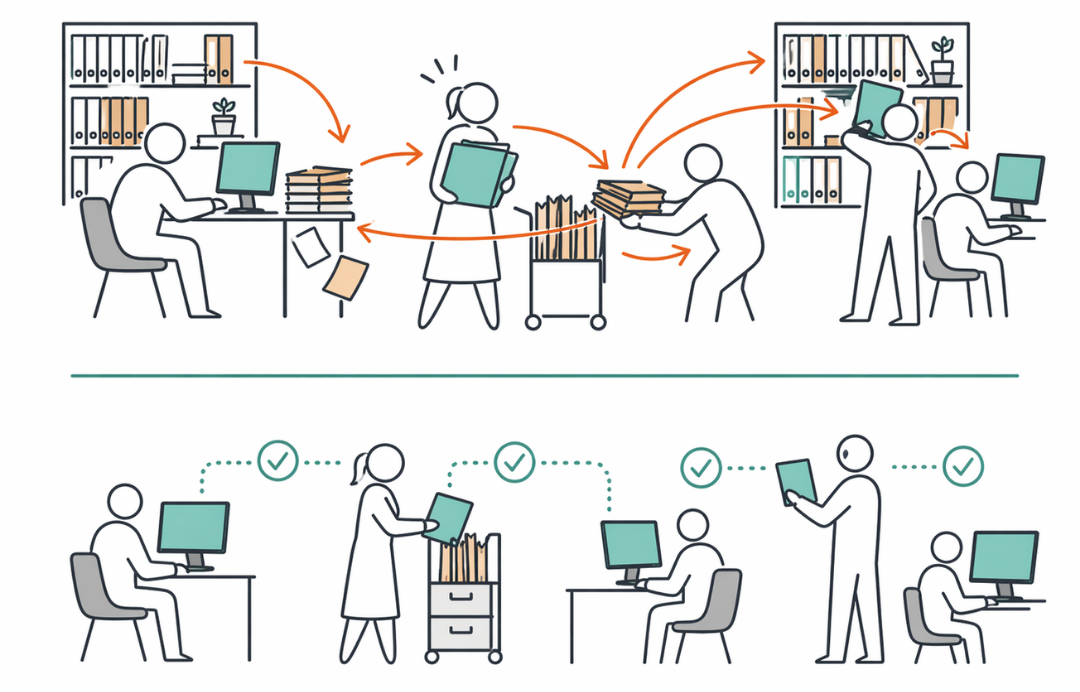
This is what transformation failure often looks like.
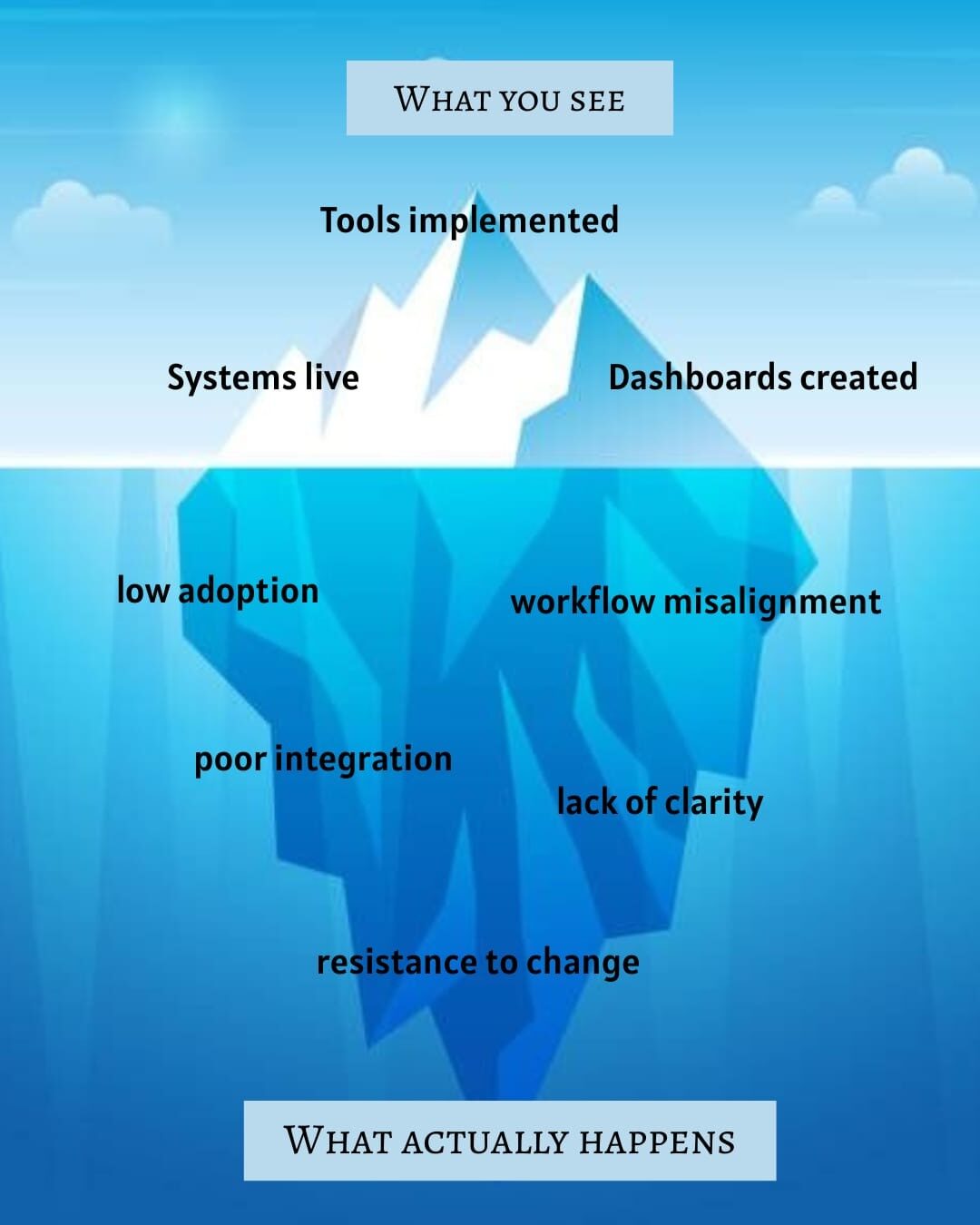
Not a breakdown, but a buildup of hidden inefficiencies beneath the surface.
The Iceberg of Digital Transformation Failure
Where Most Transformation Efforts Go Wrong
- Solving with Tools Before Defining the Problem
Transformation often begins with selecting tools before clearly understanding what needs to change.
As a result, systems are implemented around assumptions, not actual operational gaps. This leads to solutions that exist, but don’t solve the right problems.
2. Treating Transformation as an IT Initiative
Many organizations position transformation as a technology project.
But real transformation cuts across operations, teams, and decision-making. When it stays limited to IT, the rest of the organization continues working the same way, just with new tools layered on top.
Studies from Deloitte also show that organizations that align technology with business strategy are significantly more likely to succeed, highlighting that transformation cannot sit within IT alone.
3. Expanding Systems Instead of Fixing Workflows
When something doesn’t work, the default response is often to add another tool.
Instead of addressing how systems interact or how workflows are structured, complexity increases. Over time, systems grow, but clarity and efficiency don’t.
In many cases, organizations end up with multiple systems in place, but teams still rely on manual workaround. The tools exist, but they aren’t embedded into actual workflows, leading to low adoption, inconsistent data, and limited impact.
4. Ignoring Adoption and Behavior
A system being available doesn’t mean it’s being used effectively.
If teams aren’t aligned on how to use tools, or don’t see value in them, adoption remains partial. Research by Prosci shows that organizations with effective change management are up to 6 times more likely to achieve successful transformation outcomes.
Without adoption, transformation remains theoretical, not operational.
5. Scaling Complexity Too Early
Organizations often implement systems designed for scale before their operations are ready.
This creates friction, confusion, and low utilization, making transformation feel heavier than it needs to be.
6. Misalignment with Customer Expectations
Many organizations pursue digital transformation to improve customer experience, but efforts often remain internally focused, on systems and efficiency.
As a result, digital touchpoints exist, but don’t always meet customer expectations. In many cases, organizations invest in transformation for customer experience, yet a large percentage of customers still report that digital interactions fall below expectations.
7. Lack of Expertise and Capability Gaps
Digital transformation depends as much on people as it does on systems.
When teams lack the right skills or clarity, tools go underused, execution becomes inconsistent, and outcomes fall short. Without capability-building, transformation struggles to deliver real impact.
8. Leadership Misalignment and Limited Understanding
While transformation is often driven from the top, it doesn’t always translate clearly across the organization.
Without a strong operational understanding, decisions become disconnected from execution, leading to confusion, weak alignment, and slower progress.
9. Lack of Structured Change Management
Transformation doesn’t fail at the point of implementation, it fails at the point of adoption.
Without a structured approach to change management, teams struggle to understand, accept, and effectively use new systems. Without this layer, even well-designed systems remain underutilized, limiting the overall impact of transformation.
10. Trying to Do Too Much, Too Fast
Transformation is often approached as a large, organization-wide shift that needs to happen quickly.
This creates pressure to implement multiple initiatives at once, across systems, teams, and processes. As a result, priorities become unclear, execution becomes fragmented, and teams struggle to keep up.
Instead of delivering value, transformation becomes overloaded. Progress slows, not because of lack of effort, but because focus is lost.
The Pattern Behind All of This
Across all these scenarios, one thing remains consistent: Systems change, but the way work happens doesn’t.
Technology moves forward, but workflows, behaviors, and decision-making lag behind.
These patterns are more common than they seem and while the reasons may vary across organizations, the underlying issue remains the same, transformation is approached without alignment between systems, people, and processes.
The good news is, this also means the solution isn’t about doing more. It’s about approaching transformation differently.
What Actually Works Instead
While many transformation efforts struggle, some do succeed. Research from Boston Consulting Group suggests that only about 30% of digital transformation initiatives achieve their intended outcomes.
The difference isn’t just in investment or intent, it’s in how these organizations approach transformation from the start.
- Take a Phased, Structured Approach
Instead of attempting large-scale change all at once, successful organizations break transformation into manageable stages. They:
- Prioritize high-impact areas
- Implement incrementally
- Measure and refine continuously
This reduces risk, improves clarity, and ensures progress is consistent.
If you’re unsure which stage your organization is currently in, it helps to step back and assess it clearly.
2. Align Leadership With Execution
Transformation requires more than sponsorship, it requires active involvement.
Leaders who stay closely connected to execution:
- Provide clearer direction
- Enable faster decisions
- Maintain alignment across teams
This reduces the gap between strategy and implementation. In many ways, digital transformation depends on how effectively decisions move across the organization.
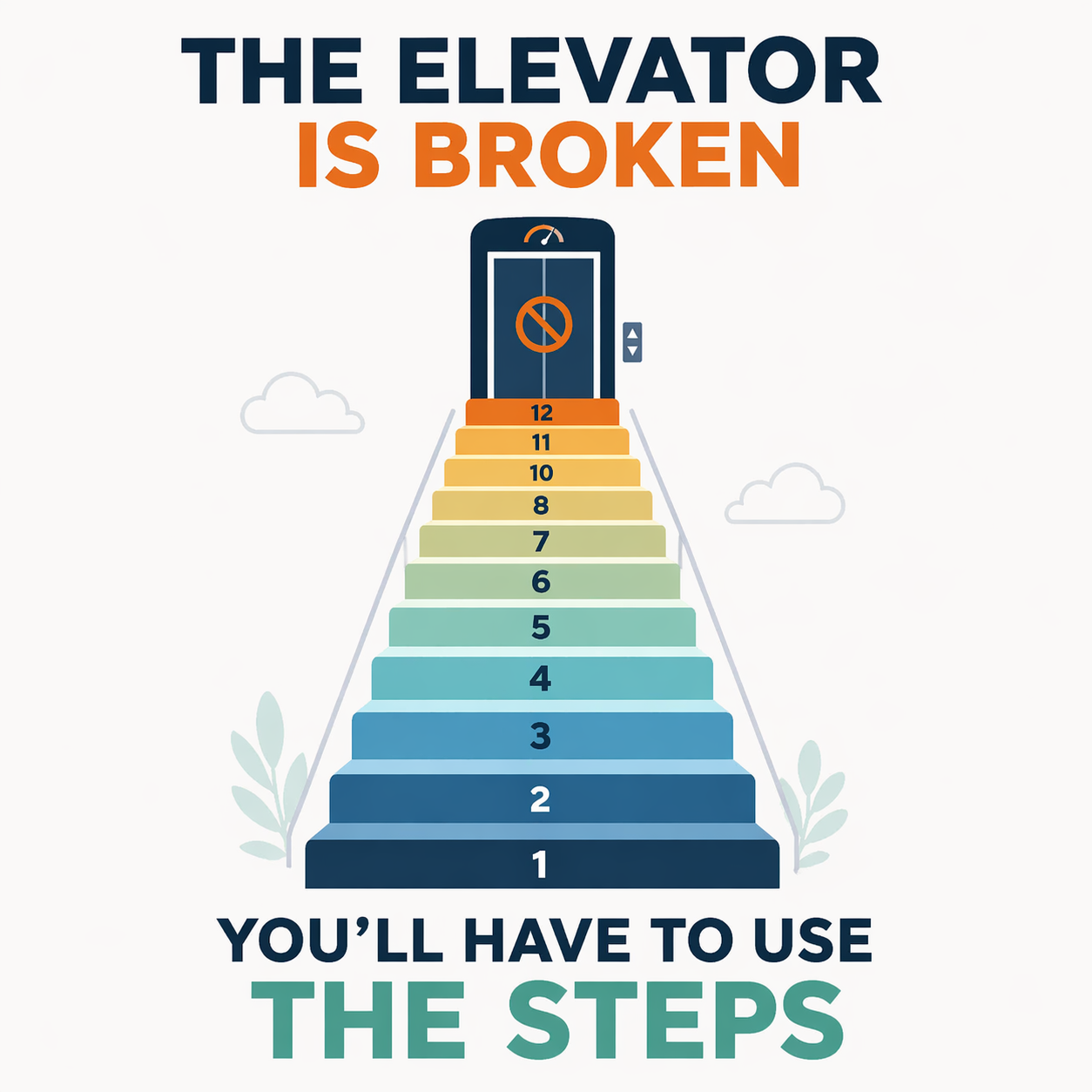
When the connection between strategy and execution is weak, plans remain at a high level while teams struggle on the ground. It’s similar to a broken elevator, strategy sits at the top, execution stays at the bottom, and nothing moves smoothly between them.
3. Measure What Actually Matters
Success isn’t defined by how many tools are implemented.
It’s defined by:
- Reduction in manual effort
- Faster decision-making
- Improved visibility
- Better coordination across teams
Focusing on measurable outcomes ensures transformation delivers real value.
Transformations Don’t Fail Randomly
Digital transformation doesn’t fail because organizations don’t invest enough. It fails when systems are introduced without aligning how work actually happens.
When tools move faster than workflows, when strategy is disconnected from execution, and when adoption is assumed rather than built, transformation starts to lose its impact.
The difference isn’t in how much you do. It’s in how intentionally you do it.
When systems, people, and processes are aligned, transformation stops feeling like effort, and starts delivering real outcomes.
A Simpler Way to Look at It
If transformation isn’t delivering results, the issue is rarely the tool or platform.
It’s how everything connects, and how people actually work within it.
What to Do vs What to Avoid
Where Transformation Goes Wrong | What actually works |
Start with tools before defining the problem | Start with operational gaps and clear bottlenecks |
Treat transformation as an IT project | Treat it as an operating model shift |
Add more tools to fix inefficiencies | Fix workflows and system interactions first |
Assume implementation = success | Focus on adoption and actual usage |
Scale systems before processes are ready | Align systems with current stage of growth |
Roll out everything at once | Take a phased, structured approach |
Focus on features and capabilities | Focus on measurable outcomes and impact |
Keep leadership at a strategic level only | Align leadership closely with execution |
Transformation Failure Risk Check
Most transformation challenges don’t appear all at once. They build quietly, across systems, workflows, and teams.
Use this to assess where you stand:
- Have you clearly defined the problem before choosing tools?
- Are your systems aligned with how work actually happens?
- Are teams consistently using the tools provided?
- Do you have clear success metrics beyond implementation?
- Are leaders actively involved beyond strategy?
- Is transformation happening in phases, not all at once?
- Are your systems integrated rather than layered?
What Your Answers Indicate
👉 0–2 checks: Strong foundation, keep refining
👉 3–5 checks: Some gaps exist, alignment needs attention
👉 6+ checks: High risk, transformation may not deliver expected outcomes
If your transformation is costing more time, effort, or clarity than expected, it’s not just a phase, it’s a signal. Get in touch with us at analytics@axxonet.net or visit analytics.axxonet.com
Get a structured view of what’s slowing your transformation
Frequently Asked Questions
Most fail not because of technology, but due to misalignment between systems, workflows, and people. Organizations implement tools, but don’t change how work actually happens.
Starting with tools instead of clearly defining the problem. This leads to systems that exist but don’t solve real operational gaps.
Implementation focuses on deploying tools.
Transformation focuses on improving how the business operates, across workflows, decision-making, and team coordination.
Without integration and alignment, more tools increase complexity. Teams end up working across disconnected systems, reducing efficiency instead of improving it.
A critical one. Systems only deliver value when they are consistently used. Without adoption, even the best tools fail to create impact.
By investing in training, clear workflows, ongoing support, and ensuring that tools are aligned with how teams actually work.
Costs rise when systems scale without alignment leading to unused features, redundant tools, and increased operational complexity.
If you’re trying to understand where costs and complexity begin to build in the first place, it’s worth looking at the patterns behind it.
👉 Read: Why Digital Transformation Feels Expensive (And How to Do It Smarter)
Because transformation is often focused internally on systems and efficiency, while customer-facing workflows and touchpoints remain unchanged or disconnected.
Very important. Leadership must stay connected to execution, not just strategy, to ensure alignment and faster decision-making.
Start with operational problems, focus on workflows, prioritize integration over expansion, and implement changes in phases.
Yes. Large, fast-paced transformation efforts often lead to unclear priorities, fragmented execution, and low adoption. A phased, focused approach delivers better results.
If teams still rely on manual workarounds, decisions are delayed, or systems are underutilized, transformation may not be delivering real impact.